Essential Budget Tips for Building a Home
June 29, 2026
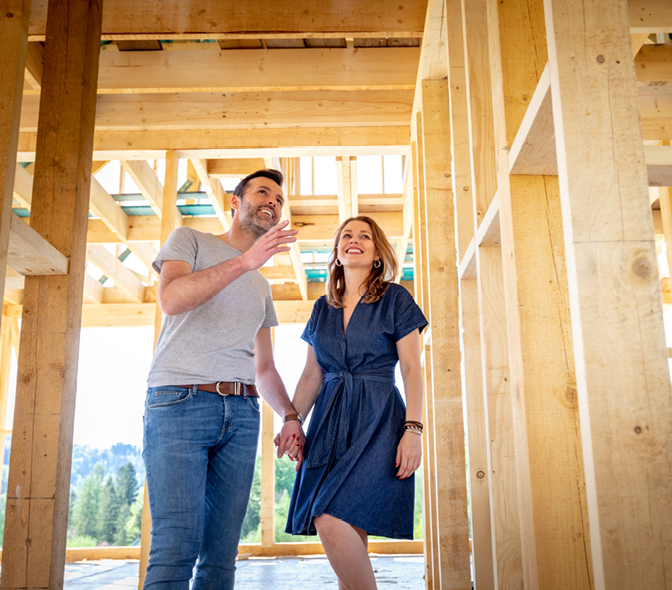
The thought of building a house often starts with excitement mixed with uncertainty.
You may have a rough idea of what you want. However, you probably have no clear sense of what it will actually cost.
That uncertainty is exactly what longtime builder Mike Howe tries to eliminate when he meets with future homeowners.
Howe joined UnitedOne Credit Union’s Local Home Loan Experts on the “At Home on the Lakeshore” podcast to discuss the budgeting factors to consider when building a house.
The views and opinions quoted by Howe in this article and podcast are his own and do not constitute an endorsement by UnitedOne Credit Union. You are encouraged to evaluate your own individual needs and seek guidance before making any decisions.
“The biggest thing you’ve got to do with me or any builder is just be honest with them,” said Howe, who is the owner of Mike Howe Builders, Inc., and has more than 25 years of experience. “I need to know what your budget is.”
A person’s budget for building a home is the foundation of everything that follows – but only if it’s complete.
In order to be complete, the proposed budget for building a house should also include the land, landscaping, appliances, and utility needs like a well and septic system.
If someone indicates they have $500,000 to spend and factors in all of the essentials, Howe explains, “That means your budget is closer to $400,000 for the house.”
Once the real budget is established, the next challenge is understanding what kind of home the client wants.
If they’re choosing a model that has been built before, the builder can usually price it with remarkable accuracy. But custom homes are a different story.
“If we start from scratch and design, there are so many variables,” Howe said.
It can take months to dial in the details, and early numbers are educated guesses.
To help clients get oriented, Howe often shows similar homes he’s built. Even if the floor plan isn’t a perfect match, it gives them a sense of scale and cost.
Throughout the process, he emphasizes transparency.
“I will show you what my fee is to build the house, and we have to keep that in mind the entire process,” Howe said.
Budgeting also means planning for the unexpected. Material prices shift, design changes happen, and hidden issues sometimes surface. A contingency fund can keep the project moving without panic or major compromises.
One of Howe’s strongest pieces of advice is not to act as your own general contractor.
“We’ve all seen horror stories,” Howe said, especially when it comes to water leaks, flashing issues, or structural mistakes.
Howe said his long-standing team of subcontractors can respond quickly, coordinate schedules, and solve problems before they grow. A homeowner juggling trades on their own simply can’t match that efficiency or expertise.
Finally, Howe stresses the importance of meeting with a lender early.
“There’s a lot more paperwork than you think,” Howe said.
Tax returns, financial statements, and pre-approval steps take time. Building the relationship early ensures financing doesn’t become a last-minute obstacle.
Ultimately, budgeting for a home is about more than numbers. It’s about clarity, communication, and understanding how your lifestyle fits into the home you want to build.
Whether you’re ready to build a house or use the equity in your current home to make upgrades, it’s best to discuss your situation and options first.
The Local Home Loan Experts at UnitedOne Credit Union will help you navigate the process and are your trusted source in Manitowoc and Sheboygan for all your home loan needs.